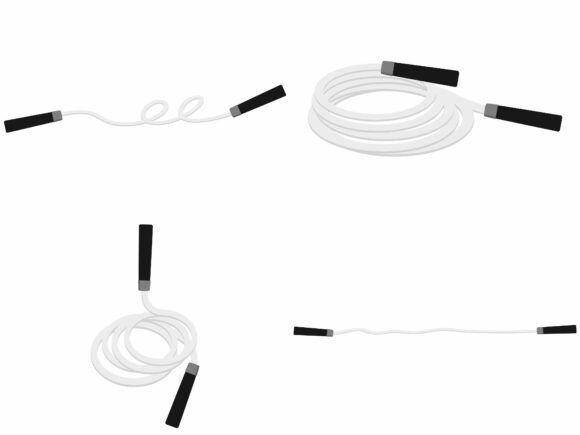
Skipping Rope or Jumping Rope
As an embroidery designer and product reviewer, I’ve evaluated countless machine embroidery designs, but few feel as immediately useful as Skipping Rope or Jumping Rope. This illustration-based graphic offers a dynamic visual that can elevate a wide range of projects, from custom apparel to home decor. Its clean lines and recognizable subject matter make it a versatile choice for both personal and commercial use.
First Impressions: A Bold, Active Visual
The first thing you notice about Skipping Rope or Jumping Rope is its energy. The design captures the motion and rhythm of a person in motion, making it ideal for projects that aim to convey movement, playfulness, or fitness. The layout is well-balanced, with clear negative space and a central focus on the rope and figure. It’s not overly detailed, which makes it easy to stitch without overwhelming the fabric or the machine.
This design feels like it belongs on active wear, sportswear, or items meant for children and young adults. It has a casual, fun vibe that works well for t-shirts, sweatshirts, and tote bags. The simplicity of the design also makes it adaptable for different color schemes and fabric types.
Real-World Embroidery Use Cases
When considering how Skipping Rope or Jumping Rope would work in real embroidery situations, it’s important to think about the type of project and the fabric being used. For example, on a cotton t-shirt or a canvas tote bag, the design would look sharp and professional. The stitch density is moderate, so it should hold up well on most standard fabrics without causing puckering or distortion.
For custom apparel, this design could be a great addition to a gym-themed collection or a line of active wear. It also works well as an embroidered patch for jackets, backpacks, or caps. The design’s size and shape make it suitable for medium-sized hoops, which is helpful for those working on smaller machines or limited hoop space.
On baby clothes, the design could be a fun and safe choice, as long as the stitching is done carefully. The design doesn’t have any sharp corners or intricate details that might snag or irritate delicate skin. It could also be used as part of a nursery decoration or wall art, where the visual appeal is key.
Where to Be Careful: Fabric and Design Considerations
While Skipping Rope or Jumping Rope is generally straightforward to embroider, there are a few areas where care is needed. On thin or stretchy fabrics, such as knits or lightweight cotton, the design may require additional stabilizer to prevent distortion. Similarly, on dark fabrics, the thread colors need to contrast well to ensure visibility and clarity.
If you're planning to use this design on a curved surface like a cap or a hat, you’ll want to test it first. The design’s shape may need slight adjustments to fit properly on rounded edges. Tiny details, like the rope’s texture or the figure’s facial features, should be checked for clarity, especially if they’re intended to be visible at a distance.
For commercial embroidery projects, it’s essential to confirm that the design is licensed for resale. While the product description mentions use for mugs, T-shirts, and other items, specific licensing terms aren’t provided. Always double-check before selling finished products or digital files.
Impact on Visual Appeal and Customer Perception
When it comes to visual appeal, Skipping Rope or Jumping Rope adds a sense of motion and liveliness to any project. It’s a design that stands out without being too busy, making it ideal for handmade products that need to catch a customer’s eye. Whether it’s on a custom tote bag or a personalized gift, the design feels intentional and well-crafted.
From a customer perspective, this design can enhance the perceived value of a product. It suggests creativity, effort, and attention to detail—key factors in building trust and encouraging repeat purchases. For Etsy sellers or small shop owners, having a design that’s both functional and visually engaging can make a big difference in buyer engagement and sales performance.
Practical Designer Notes: Testing and Preparation
Before committing to a large batch of embroidery projects, I always recommend testing the design on scrap fabric. This helps identify any issues with stitch density, thread color contrast, or fabric compatibility. For Skipping Rope or Jumping Rope, it’s especially important to check how the design looks in black and white mockups, as this can reveal hidden details or potential visibility issues.
Another tip is to review the design on both light and dark fabric backgrounds. Some elements of the design may not show up as clearly on certain colors, so adjusting the thread colors accordingly can make a significant difference. Also, make sure the design fits within your hoop size and that all parts of the design are included in the embroidery file.
Finally, consider how the design will look when completed. Will it be a standout piece, or will it blend in with other elements? For commercial use, ensuring brand consistency is crucial. If this design is part of a larger collection, it should align with the overall aesthetic and message of the brand.
Conclusion: A Versatile Design for Creative Projects
Skipping Rope or Jumping Rope is a solid choice for embroidery designers, crafters, and small business owners looking for a dynamic and adaptable design. Its clean lines, recognizable theme, and practical application make it a valuable addition to any creative toolkit. Whether you're making personalized gifts, custom apparel, or boutique merchandise, this design has the potential to elevate your work and attract a wider audience.