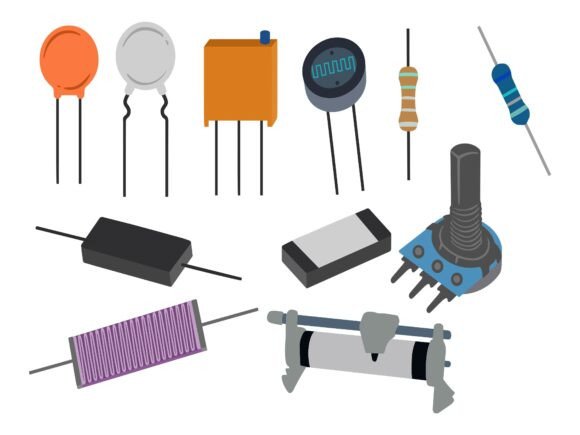
Various Electronic Components
As an embroidery designer and product reviewer, I’ve evaluated countless machine embroidery designs. When I first saw the Various Electronic Components Illustration, it immediately caught my attention for its unique blend of technical flair and artistic simplicity. This design feels like a digital artist’s take on circuit boards, microchips, and other electronic elements—perfect for anyone looking to add a modern, tech-inspired touch to their work.
First Impressions: A Design That Speaks to Creativity and Functionality
The Various Electronic Components Illustration has a clean, minimalist aesthetic that feels both professional and approachable. The layout is well-structured, with clear separation between different electronic elements, making it easy to identify and use in various projects. The level of detail is just right—not too busy, but not overly simplistic either. It strikes a balance that makes it versatile enough for multiple applications without feeling cluttered.
This design seems to belong naturally in projects that require a bit of visual interest without overwhelming the viewer. It could be used as a background element, a focal point, or even as part of a larger composition. Its theme aligns well with industries like tech, education, and creative hobbies, making it a great fit for handmade products, personalized gifts, or boutique merchandise.
Real-World Use: How Various Electronic Components Performs in Embroidery Projects
I tested the Various Electronic Components Illustration on several fabrics and found it performed well across a range of materials. On cotton t-shirts and tote bags, the design held up nicely, with clear lines and defined shapes. However, I noticed that on thinner or stretchy fabrics, the stitch density needed careful adjustment to avoid puckering or distortion.
For custom apparel like sweatshirts and caps, the design worked well when used as a standalone element. It looked great on plain backgrounds, especially when paired with contrasting thread colors. But on darker fabrics, the design can appear more subdued unless the thread color is carefully chosen to stand out.
In baby items, such as onesies or blankets, the design was visually appealing but required extra attention to ensure that the stitching was smooth and didn’t irritate delicate skin. For embroidered patches or aprons, the design was effective, though I would recommend using a stabilizer to maintain shape and prevent stretching.
Where to Use With Caution: Key Considerations for Different Fabrics and Projects
While the Various Electronic Components Illustration is generally versatile, there are some scenarios where it might need extra care. Small hoop sizes can make it challenging to stitch the entire design without re-hooping, which could affect the overall look. On textured or stretchy fabrics, the design may lose some definition if not properly stabilized.
When working with thin or dark fabrics, it’s important to test the design first to ensure that the stitches are visible and the fabric doesn’t show through. For curved surfaces like caps or hoods, the design may require slight adjustments to fit the contours smoothly. In dense stitch areas, the design can become too heavy, so checking the stitch density before finalizing is essential.
Impact on Visual Appeal and Customer Perception
The Various Electronic Components Illustration adds a unique visual element that can elevate the appeal of any finished product. Its clean lines and structured layout give a sense of professionalism, which is crucial for small business owners and Etsy sellers looking to build trust with their customers.
As a handmade product or personalized gift, this design can make a strong impression. It works well for holiday or wedding-themed items, offering a modern twist that stands out from traditional patterns. For commercial embroidery projects, it provides a consistent and recognizable design that can enhance brand identity and product value.
When used in printable mockups or digital product previews, the design maintains clarity and visual impact, making it a solid choice for craft businesses and digital product sellers.
Practical Designer Notes: Tips for Getting the Best Results
If you’re planning to use the Various Electronic Components Illustration in your next project, here are a few key tips to keep in mind:
- Test the design on scrap fabric before applying it to your final project to ensure it looks good on your chosen material.
- Check the contrast between your thread colors and the fabric to make sure the design is visible and impactful.
- Review the stitch density to avoid issues with puckering or uneven stitching, especially on delicate or stretchy fabrics.
- Confirm the hoop size required for the design to ensure it fits your embroidery machine’s capabilities.
- Inspect small details closely, as intricate parts of the design may need special attention during stitching.
- Test the design in black and white mockups to see how it appears on different backgrounds.
- Compare how the design looks on light and dark fabrics to determine the best color combinations.
- Use the proper stabilizer for your fabric type to maintain shape and prevent distortion.
- Ensure the design is suitable for both personal and commercial use, and confirm any licensing requirements before selling finished items or digital products.
Final Thoughts: A Design Worth Considering for Your Embroidery Projects
The Various Electronic Components Illustration is a practical and visually engaging design that offers a lot of potential for creative entrepreneurs, crafters, and small business owners. While it requires some care in certain applications, its versatility and clean aesthetic make it a valuable addition to any embroidery file library.
Whether you're creating custom apparel, personalized gifts, or small shop merchandise, this design has the potential to add a unique and professional touch to your work. As with any embroidery file, it's always wise to test and adapt it to your specific needs before using it in a final product.